Begin with the wardrobe, not the discount
A lower price can make an ordinary item feel urgent. Pause before deciding whether it deserves space in your wardrobe. This guide is for women who want new clothes to work with real mornings, workdays, weekends, and plans—not an imagined life created by a product page. Open your closet, look at the week ahead, and name the problem the item would solve. “A warm layer for the office” is useful. “Something new for someday” is not yet a reason. Then ask these five questions before you buy.
1. Where would I wear it in the next month?
Name two specific occasions that already exist on your calendar: Tuesday at the office, a Saturday lunch, a flight, or an evening reservation. Include the weather, dress code, walking, and time spent sitting. If the piece only works for an event you may attend or a version of your lifestyle you rarely live, leave it in the wish list. A useful purchase does not need to be basic, but it should have a believable first outing. Check that it also suits the coat, shoes, and practical bag that outing requires.
2. Can I make three complete outfits with it now?
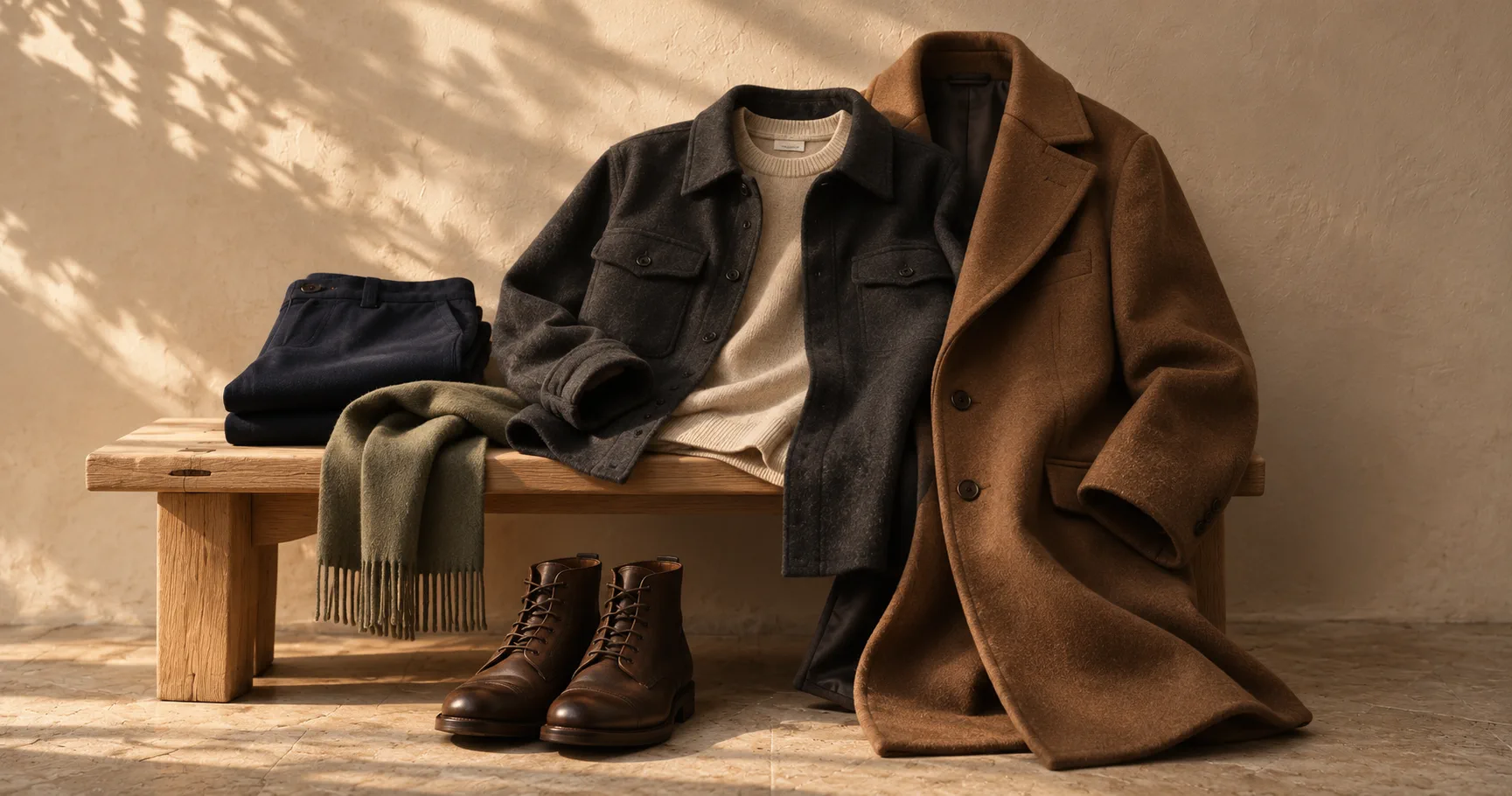
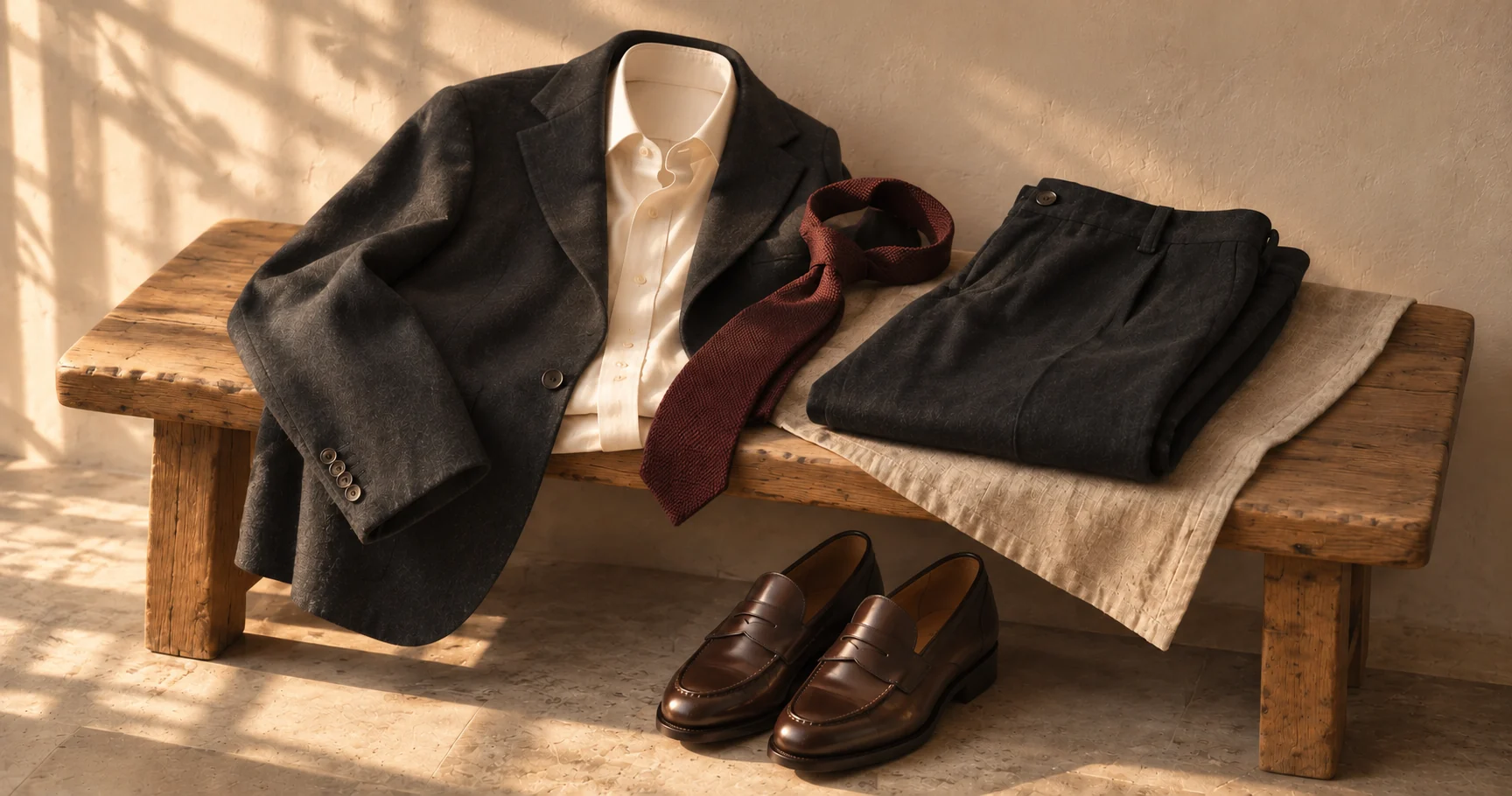
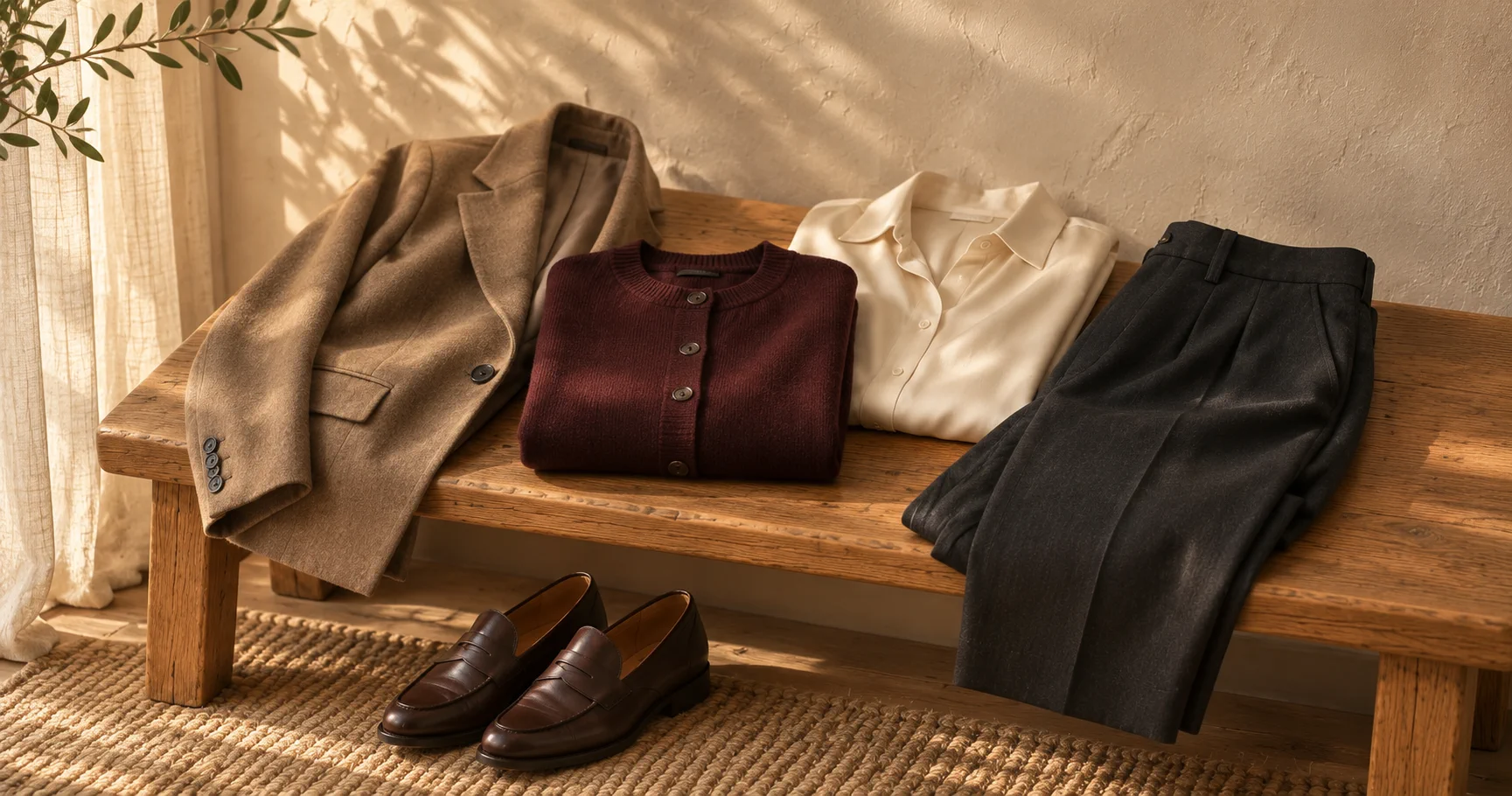
Choose three combinations using clothes you already own. Make them complete: top, bottom, layer, shoes, and any essential undergarment. Avoid counting the same outfit three times with a different earring. A cardigan might work with tailored trousers for the office, denim for the weekend, and over a dress for dinner. If every combination requires another purchase, the item is not filling one gap; it is opening several. Our guide to building a capsule wardrobe from what you own offers a simple three-outfit test for pieces already in your closet.
3. Does it fit the way I actually move?
A mirror pose is only one moment. Sit, reach, walk, and layer the item as you would during its first outing. Check whether a waistband shifts, a sleeve restricts your shoulders, a neckline needs constant adjustment, or a skirt changes how you walk. When shopping online, compare the garment measurements with a similar piece you own rather than relying only on the size name. Keep the try-on clean and careful until you decide, and do not remove tags or protective pieces before confirming the seller’s return requirements.
4. Can I care for it without avoiding it?
Read the care label before committing. The Federal Trade Commission’s Care Labeling Rule guidance explains that covered clothing carries regular care instructions and warnings for procedures that could harm the garment. Consider the instruction in the context of your routine. A beautiful blouse that requires care you will postpone may spend more time waiting than being worn. Check lining, buttons, seams, fabric feel, and whether the color or texture works with the way you already wash, store, steam, or professionally clean clothes.
5. What is the real cost—and the return path?
Look beyond the number highlighted on the page. The FTC’s online-shopping advice recommends checking the total cost, including shipping and other fees, as well as refund conditions, return shipping, deadlines, and possible restocking fees. It also notes that sale and clearance items may have different return policies. Save the product description and terms when buying online. A discount is less useful when an uncertain fit is final sale, the return window ends before your trip, or the cost of sending it back changes the decision.
Let the answer be no without making it a failure
If one question exposes a problem, you have learned something useful. Record the actual gap and leave the item. You may discover that you need a washable layer, a shoe for more walking, or a trouser that works with two existing jackets—not simply “new clothes.” If the piece passes, wait long enough for the urgency to fade, then review the three outfits once more. For changeable days, our transitional-weather outfit formulas can help you test whether a proposed layer is genuinely flexible.
Use your closet as the evidence
Keep a photo of the proposed combinations or a short note explaining why the item belongs. Smartrobe’s “Should I buy this?” feature can check a potential purchase against your closet and the outfits it could make, helping you compare the idea with clothes you already own. See how Smartrobe works, then download Smartrobe on the App Store or get it on Google Play. The goal is not to stop buying clothes. It is to make the next purchase easier to wear.
Explore the possibilities in your own wardrobe.
AI-assisted editorial content.